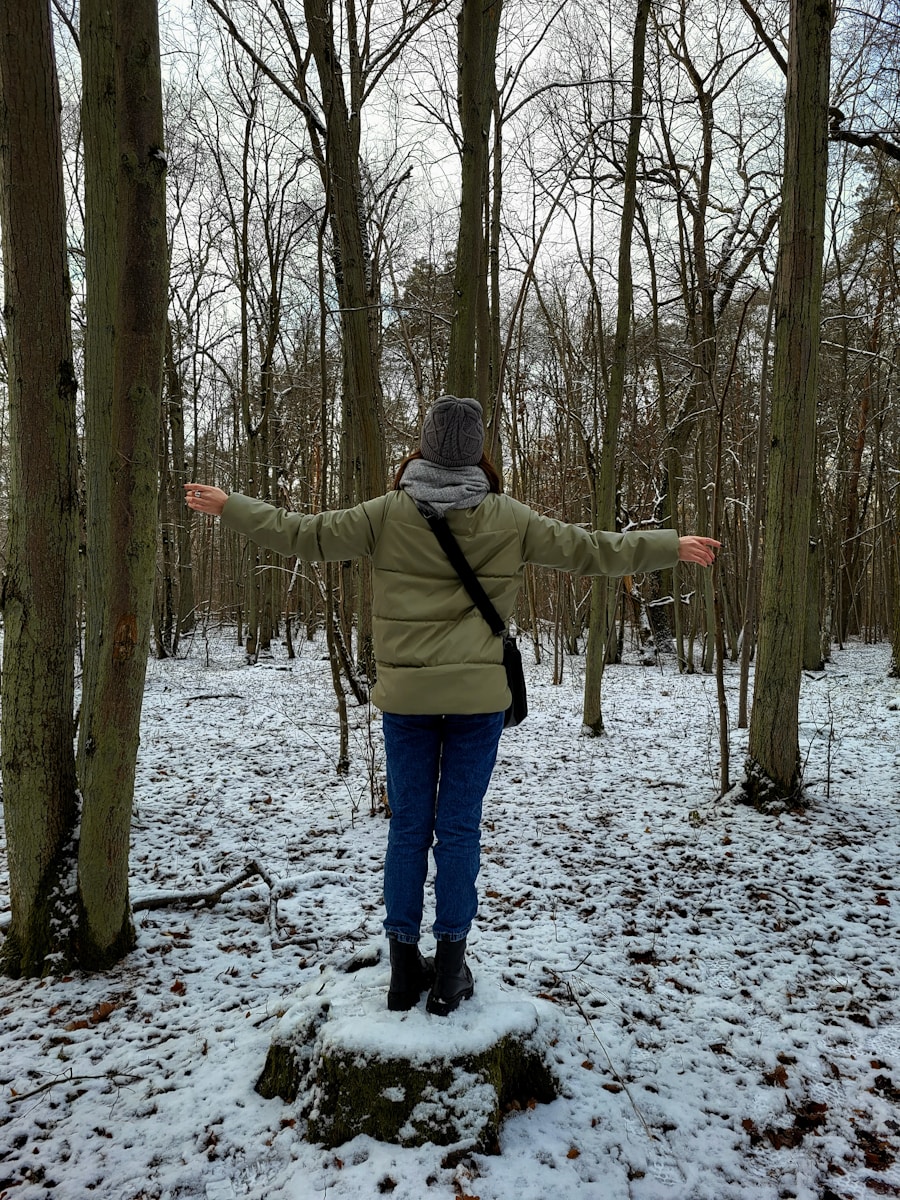
A personal reflection on burnout, busyness, why doing “all the right things” nearly broke me and what I wish I’d known sooner.
This will be a very different blog post
I tend to write about movement, strength, habits, health and how to feel better in your body in a grounded, practical way. That’s what I do and I feel passionate about.
But this time is different.
I want to share with you something personal that happened to me recently. Something I never thought would happen to me.
I didn’t see it coming. I thought I was doing great. Doing what I love. Being productive. Disciplined. On top of things.
And yet, I burned out – suddenly, deeply and in a way that scared me.
I hesitated before writing this. But then I realised something important: I see parts of my story in many of you. In your tired smiles. In the way you push through. In how much you carry, often quietly, competently, without complaint.
This is not a dramatic story. It’s not a success story either. It’s a warning – a gentle one – from someone who didn’t see burnout coming until it hit hard.
Please don’t make the same mistake I did.
I Didn’t See Burnout Coming. That Was the Most Dangerous Part.
If you had asked me a few months ago how I was doing, I would have said: great.
Busy, productive, full of ideas. A little tired, sure – but who isn’t?
I was getting things done. So many things, in fact, that even 15-hour days didn’t feel like enough. My to-do lists were long and ambitious, my head buzzing with projects, plans, improvements. Two days before everything collapsed, I even wrote down a book recommendation “The 5am Club.”
Yes. I was genuinely considering waking up an hour earlier to fit more into my days.
That’s how unaware I was of what was coming.
Of course, looking back now, the signs were everywhere. I was constantly on edge. Snappy. Either exhausted or unable to sleep. My body hurt all the time. Headaches, back pain, joint pain that came and went without warning. I was catching colds out of nowhere, only for them to disappear again. I blamed it on stress, hormones and premenopause. I’m 44 – this must be normal, right?
It wasn’t.
The Day I Exploded (and Then Fell Apart)
The breaking point didn’t arrive quietly. It exploded out of me.
One evening I completely lost it with my family. I shouted that I do everything at home, that nobody helps, that I can’t and won’t take it anymore. Some of what I said was factually true because I do carry a lot. But my reaction was wildly disproportionate.
The uncomfortable truth? Nobody actually expects me to do all of it. My husband would happily hire a cleaner; I refuse, because I think I do everything better. Nobody demands homemade meals twice a day or fresh cookies. I often hear: “Why don’t you just sit down and rest like we do?”
They didn’t take my outburst too seriously. But the next day I completely unravelled.
I cried constantly. I couldn’t cope with even putting a single plate into the dishwasher. My concentration vanished. I couldn’t hold a thought for more than two or three seconds. The numbness was terrifying. I didn’t care about anything or anyone.
An hour before my younger son’s birthday party, I went for what I can only describe as a rage run. I barely helped during the party. And when the guests left, I exploded again. I said I wanted to run away. Anywhere. Just not here. Not with responsibilities.
My husband asked me what I wanted.
I didn’t know. I DIDN’T KNOW.
That moment – realising I had no idea what I wanted anymore – broke me. I’ve always had dreams, goals, visions, plans. Suddenly, there was nothing I wanted. No purpose. I panicked. I genuinely thought my life was over, that something irreversible had happened to my brain.
That fear – that my brain had simply stopped working and my purpose was gone – was the worst part of all.
What Burnout Looked Like in My Body
Burnout didn’t just live in my head. It took over my body.
My immune system crashed. I had intense back pain and strange joint aches. Wrists, elbows, knees, hips, SI joint pains appearing out of nowhere. I started having “crashes” on the sofa: hours and hours of mindless computer games, binge eating, endless podcasts, losing all sense of time.
In the past, those crashes happened maybe a few times a year. In the months leading up to burnout? Three or four times a week.
Mentally, I was detached, irritable with my children and husband, deeply self-critical, overwhelmed, anxious, panicky. And yet – this is important – my work didn’t fall apart. I didn’t cancel sessions. I didn’t stop showing up for clients.
Because work wasn’t the problem.
The Real Cause: Me
This is the uncomfortable part to admit.
My burnout wasn’t caused by my job. It was caused by me putting impossible pressure on myself in every area of life.
I wanted to be a perfect mother: smart, well-behaved children, zero screen time, healthy meals, crafts, sports, beautifully organised lives.
I wanted to grow my business, train clients, run retreats, open my own studio, gain new qualifications.
I wanted to learn new languages (ideally two), play the piano, read a book a week, stay informed about politics and economics and of course learn stock trading.
Physically? I expected myself to do strength training three times a week, yoga three times a week, run every other day, walk at least 12k steps daily, rack up 700 “intensity minutes” a week and still squeeze in mobility work, Animal Flow, physiotherapy. Plus swimming and skiing whenever possible.
Of course, this never happened. I was exhausted just planning what I should be doing, and most weeks I barely managed two strength sessions. I wasn’t getting stronger – quite the opposite. I was losing strength.
(And the ironic part? As a fitness professional and health coach, I knew this approach was wrong. I would never, ever recommend this to anyone else. Yet I still fell straight into the exercise hamster-wheel trap.)
Socially? See friends weekly. Go in the mountains every weekend. Pack, unpack, organise food – mostly on me.
I truly believed that if I just tried a bit harder, did a bit more, I would finally become a better person. A worthy person.
And there was something else: I never allowed myself silence.
For over a year my every spare moment was filled. Podcasts while cycling. Audiobooks while running. Reading a book on trading while riding my stationary bike. Language courses while cooking. Podcasts to fall asleep, just to quiet my racing thoughts.
I never had a silent moment. Not one.
In the weeks before my crash, I remember negotiating with myself to turn the podcast off while running or cycling, because it felt like too much noise, too much input. But I didn’t stop. Silly, right?
What Actually Helped (And What Made It Worse)
What didn’t help?
Routines. To-do lists. Productivity hacks. Forcing workouts. Even meditation, done “correctly.” Scheduling self-care like sauna or baths, only to feel stressed if I didn’t tick them off.
What helped was much simpler- and yet much harder.
Sleep. I’ve always prioritised sleep and I’m grateful for that.
Talking. I told people what had happened. And suddenly, stories came back to me – family, friends, people I barely knew, all sharing similar experiences. They walked with me, listened, showed up. That unexpected support made me feel worthy in a way striving never did.
Understanding what had happened to my brain was crucial. This wasn’t failure or weakness. It was a protective shutdown after prolonged stress. Reversible, thank heavens. Once I understood that my sense of purpose would return when my nervous system felt safe again, I slowed down. This time properly.
I cried. A lot.
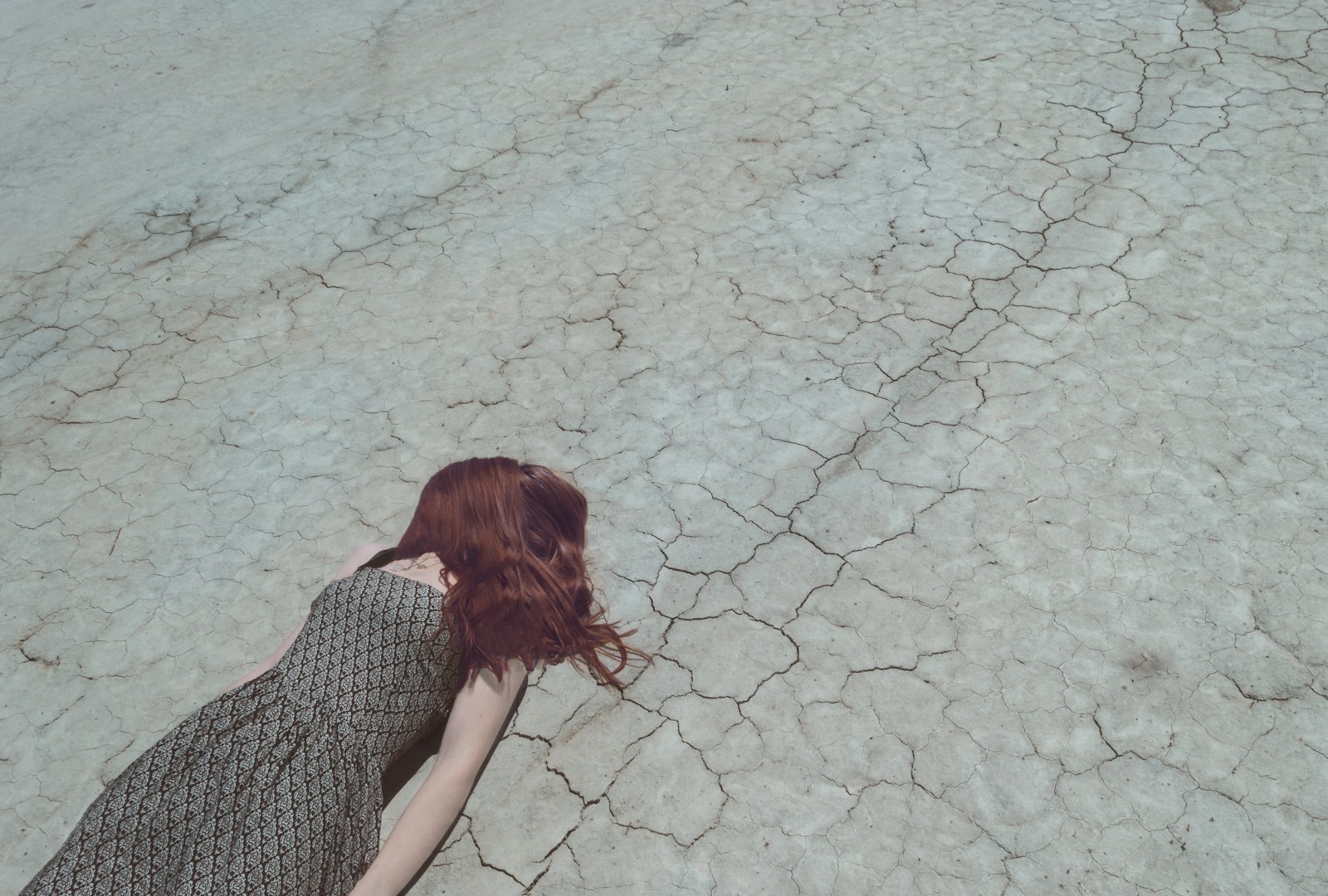
I lay on the floor, feeling the carpet, the tiles, the cold against my cheek.
I stood in fields, staring at the horizon, watching birds.
I walked slowly, quietly, without a phone, without headphones. I heard the world again.
For weeks, the only “exercise” I did was walking and yin yoga. Not training. Not pushing. Just calming my nervous system.
I stopped sleeping with headphones on. My phone lives downstairs now. The first nights were hard. I needed pills to fall asleep. But now my natural sleep returned, deeper than I can remember.
Even my eating changed. As a trainer, I had put way too much pressure on myself to look a certain way, to always be super-fit. That pressure had quietly turned into obsession and bingeing whenever I felt exhausted.
When burnout made me stop caring, the obsession lifted. I started eating well again. Normal food, no bingeing. And yes – I lost weight without trying.
The moment I stopped trying to control my body, it stopped fighting me.
When we stop obsessing, stress drops – and when stress drops, the nervous system can finally do its job.
Appetite regulates naturally, cravings disappear and the body finds balance again.
Not caring didn’t mean giving up. It meant removing pressure. And that’s when things started working naturally.

Where I Am Now (No Fairytale Ending)
I am better. My sense of purpose is back.
But I am fragile and well aware of it.
I know that one or two days of pushing too hard can send me crashing again. Patience is still difficult. Consistency is hard. Old habits are tempting.
What I wish I had known earlier?
That sitting on the sofa with a cup of tea, doing absolutely nothing useful, is not lazy. It is wise.
What I’m Rebuilding – My New Habits
- I go to bed before 10pm. The phone and headphones stay out of the bedroom.
- Housework stops after 6pm – and whatever isn’t done will have to wait.
- I move my body in ways that feel good, not impressive.
- I practice zero mindless scrolling. As this is almost impossible at free will, I use a paid app that blocks everything for me.
- I seek silence. Often.
- I ground myself – on the floor, in the forest, through breath.
- I connect often with my family and friends. It feels good.
- I allow time that has no purpose at all.
- And sometimes I go away for a few days alone. For a spa weekend, hiking alone, training getaway.
To move and rest. To breathe. To remember who I am without constant doing.
Fit & Flow in Mykonos
If you feel overwhelmed and pemanently stressed, but want to keep moving without burning yourself into the ground – my Fit & Flow Retreat is an active form of rest: daily strength, mobility, yoga and flow-based training that supports your nervous system instead of exhausting it.
There’s also space to sleep, breathe fresh air, eat well and slow down – without losing the joy of movement.
If You Take One Thing From This
If you recognise yourself in any of this, please don’t wait for your own crash.
This week, I invite you to do just one thing:
Take a 20 minute walk alone, in silence, every day of the week.
No phone. No podcasts. No goals. Just you and the world.
That might be where everything starts to soften and fall back into place. And if you need a reminder: you are already worthy – without doing more.